
Figuring out where to stash your stuff during a move or transition shouldn’t feel like solving a puzzle. Yet when you’re standing at the crossroads between short-term and long-term storage, the decision can get surprisingly tricky. Do you need a place to park your furniture for a few weeks while closing on a new home? Or are you looking at months, maybe even years, of secure storage for belongings you’re not ready to part with?
We’ve helped countless families and businesses in Colorado Springs navigate this exact question. The right choice depends on your timeline, budget, and what you’re storing. Let’s break down the differences so you can make a confident decision.
What Counts as Short-Term Storage?
Short-term storage generally refers to keeping your belongings in a storage facility for anywhere from a few days to about three months. It’s the go-to solution when you’re in a transitional phase, like when there’s a gap between moving out of your old place and getting the keys to your new one.
Think of it as a temporary holding spot. Maybe your lease ends on the 15th, but you can’t move into your new apartment until the 1st. Or perhaps you’re renovating a room and need to clear out furniture for a couple of weeks. These are classic short-term storage scenarios.
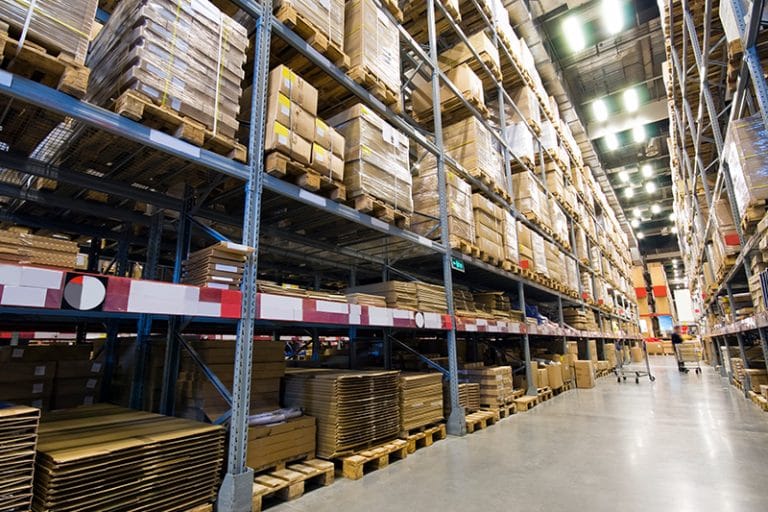
We see a lot of families use short-term storage during relocations, especially military families who are waiting on housing assignments. At our 20,000-square-foot warehouse here in Colorado Springs, we store belongings in individual vaults, so even short-term customers get the same level of protection as long-term clients. Your grandmother’s china doesn’t get any less fragile just because you only need storage for six weeks.
Short-term storage also works well for staging a home before a sale or storing seasonal décor between holidays. The flexibility is the main draw, you’re not locked into lengthy contracts, and you can retrieve your items whenever you need them.
What Counts as Long-Term Storage?
Long-term storage kicks in when you’re looking at keeping items stored for three months or longer, sometimes for years. This option suits people who are downsizing, deploying overseas, or simply don’t have room for everything they own but aren’t ready to sell or donate.
Military families often rely on long-term storage during extended deployments or permanent change of station moves. As a DoD-approved shipper and packer, we specialize in this kind of storage. We understand the unique needs of service members who might not see their belongings for 12 months or more.
Long-term storage demands more attention to environmental conditions. Items sitting for months can be damaged by temperature swings, humidity, or pests if the facility isn’t properly maintained. That’s why we pay close attention to temperature and atmospheric conditions in our warehouse. Leather furniture, wooden antiques, electronics, and documents all need stable environments to stay in good shape over time.
People also use long-term storage when they’re caring for elderly parents’ belongings, storing business inventory they don’t need immediate access to, or keeping family heirlooms they’ve inherited but don’t have space for. The commitment is longer, but for many situations, it’s the only practical solution.
Key Differences in Cost and Commitment
Let’s talk money, because that’s usually where the rubber meets the road.
Short-term storage often comes with higher monthly rates than long-term agreements. It makes sense when you think about it: facilities have more turnover, more administrative work, and less predictability with short-term renters. But, since you’re only paying for a brief period, your total out-of-pocket cost stays manageable.
Long-term storage typically offers better monthly rates because you’re committing to a longer relationship with the facility. Many companies, ourselves included, offer competitive pricing for extended stays. You might lock in a rate for six months or a year, which protects you from price increases and gives you budget predictability.
Beyond the dollar amount, consider the commitment itself. Short-term storage usually means month-to-month flexibility. You’re not signing a lengthy contract, and you can adjust your plans without penalty. Long-term storage might involve agreements that span several months, though the tradeoff is often a lower rate and guaranteed space.
Also factor in insurance and protection plans. Whether you’re storing items for two weeks or two years, you’ll want coverage. We offer different levels of protection tailored to your needs, from basic limited liability to full value policies. The longer your belongings are in storage, the more important comprehensive coverage becomes.
One more thing: access. Short-term storage customers often need frequent access to retrieve items quickly. Long-term clients might visit once every few months. Ask about access hours and procedures before committing, it matters more than people realize.
Choosing the Right Option for Common Situations
Every storage decision comes down to your specific circumstances. Here’s how we’d guide you through two of the most common scenarios.
Moving or Relocating
If you’re moving locally, say, from one Colorado Springs neighborhood to another, short-term storage usually makes the most sense. You need a place to keep your belongings during the overlap between move-out and move-in dates. A few weeks, maybe a month at most.
But relocations get complicated. If you’re moving across the country and your new home won’t be ready for several months, long-term storage is the smarter play. Military families relocating through the DoD program often fall into this category. We handle these moves regularly as a military-approved mover, and we know that deployments and housing delays can extend timelines unpredictably.
Here’s a tip: if you’re unsure how long you’ll need storage, start with a flexible short-term arrangement. Most facilities, including ours, will let you extend into a long-term agreement if your situation changes. Better to have flexibility upfront than to be locked into something that doesn’t fit.
Seasonal Items and Business Inventory
Seasonal storage is a bit of a hybrid. Holiday decorations, patio furniture, ski equipment, these items cycle in and out. Technically, you might store them for six months at a stretch, which puts you in long-term territory. But because you’re retrieving them regularly each year, you want a facility that makes access easy.
Business inventory is similar. If you’re a small business owner storing excess stock, you might need items on short notice. Climate control matters here too, especially for anything sensitive to temperature or humidity. Our warehouse maintains consistent conditions year-round, which protects everything from electronics to paper documents.
For businesses, we recommend talking through your access needs upfront. How often will you need to retrieve items? Can you get in after hours if needed? These details shape whether short-term or long-term storage, and which specific facility, is right for you.
Tips for Making the Most of Your Storage Unit
No matter which option you choose, a little planning goes a long way.
Pack smart. Use quality packing materials, sturdy boxes, bubble wrap, furniture pads. If you’re storing long-term, invest in plastic bins rather than cardboard, which can attract pests and break down over time. We’ve packed countless homes and businesses, and we can tell you that the difference between rushed packing and careful packing shows up months later.
Label everything. Seems obvious, but you’d be surprised how many people skip this step. When you’re digging through boxes six months from now, you’ll thank yourself for writing “kitchen, fragile” on the outside.
Create an inventory list. Document what’s going into storage, especially for long-term situations. It helps with insurance claims if something happens, and it reminds you what you actually have.
Think vertical. Stack boxes and use shelving to maximize your space. Put heavier items on the bottom, lighter ones on top. Leave a pathway to the back so you can access everything.
Consider climate. If you’re storing anything sensitive, wood furniture, leather, electronics, photographs, documents, make sure your facility maintains proper temperature and humidity levels. Not all storage units are created equal.
Check in periodically. Even with long-term storage, visit your unit every few months to make sure everything’s in order. Catch any issues early before they become expensive problems.
Conclusion
Choosing between short-term and long-term storage comes down to your timeline, your budget, and what you’re storing. Short-term works for transitions and temporary needs. Long-term makes sense when life is unpredictable or you need extended space.
Here in Colorado Springs, we’ve helped families, businesses, and military members find the right storage solution for nearly two decades. Whether you need a few weeks or a few years, we’re here to keep your belongings safe. Contact us today for a free quote tailored to your specific situation.