
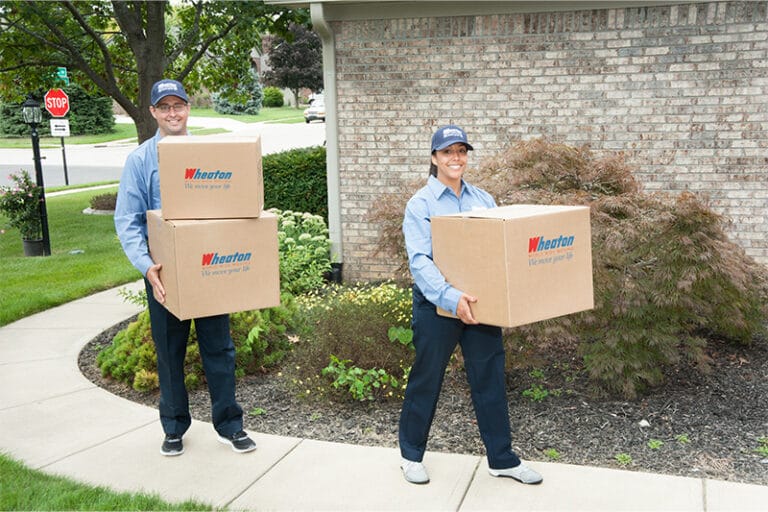
Moving across the country is stressful enough without worrying about whether your grandmother’s china or that vintage record player will survive the journey. When you’re facing a long-distance move, fragile items demand extra attention, and the right packing approach can mean the difference between unpacking treasures and sweeping up broken pieces.
We’ve professionally packed countless homes and businesses over the years, and we’ve learned that protecting delicate belongings isn’t complicated when you know what you’re doing. From glassware and electronics to artwork and mirrors, the techniques that keep your valuables safe are straightforward once you understand them. Whether you’re tackling the packing yourself or considering professional help, this guide will walk you through everything you need to know about protecting your fragile items for the long haul.
Essential Packing Supplies You Need
Before you wrap a single dish, you’ll need to gather the right materials. Skimping on packing supplies is one of the biggest mistakes we see people make, and it almost always leads to regret.
Quality boxes are non-negotiable. For fragile items, you want sturdy, corrugated cardboard boxes in various sizes. Dish pack boxes (also called dish barrels) are specifically designed with thicker walls to protect breakables. Medium-sized boxes work best for most fragile items because they’re easier to handle and less likely to become too heavy.
Here’s what your packing supply list should include:
- Bubble wrap – The standard for cushioning fragile surfaces. Get more than you think you’ll need.
- Packing paper – Unprinted newsprint is ideal for wrapping items before bubble wrap goes on. Regular newspaper works in a pinch, but the ink can transfer.
- Packing tape – Heavy-duty tape for sealing boxes securely. Don’t use masking tape or duct tape, they don’t hold up.
- Foam pouches or dividers – Perfect for separating glasses and stemware.
- Corner protectors – Essential for mirrors, artwork, and picture frames.
- Markers – For labeling everything clearly.
We use high-quality packing materials for every move we handle, and we’ve seen firsthand how the right supplies prevent damage. If you’re packing yourself, don’t cut corners here. A few extra dollars on better boxes and more bubble wrap is cheap insurance for your belongings.
Preparing Your Fragile Items Before Packing
Preparation is half the battle. Rushing straight into wrapping without proper prep leads to sloppy packing and, eventually, broken items.
Clean everything first. Dust and debris can scratch delicate surfaces during transit, especially on glass and electronics. Wipe down dishes, clean glass surfaces, and remove any loose dirt from decorative items.
Document your valuables. Take photos of expensive or sentimental fragile items before packing. This creates a record of their condition and can be helpful for insurance purposes if something does get damaged. For electronics, photograph the cable configurations so you can set everything up correctly at your new place.
Disassemble what you can. Remove any detachable parts from fragile items. Take the shades off lamps, remove shelves from display cabinets, and separate lids from containers. Smaller, individual pieces are easier to wrap securely than assembled items.
Sort by fragility and size. Group similar items together, all your wine glasses in one area, picture frames in another. This makes packing more efficient and helps you determine which box size you’ll need for each category.
Gather owner’s manuals. For electronics, having the original packaging is ideal (though most people don’t keep it). At minimum, locate any manuals or documentation that might include packing or transport instructions specific to that device.
Packing Glassware and Dishes
Glassware and dishes are probably the most commonly broken items in any move. They’re also some of the most sentimental, nobody wants to lose the dishes from their wedding registry or those wine glasses picked up in Napa.
The key is creating multiple layers of protection and eliminating any space where items can shift.
Start with a cushioned base. Before placing anything in a box, add 2-3 inches of crumpled packing paper or bubble wrap at the bottom. This absorbs shock from below.
Wrap each piece individually. Every single glass, plate, and bowl needs its own wrapping. No exceptions. Even items that seem sturdy can chip or crack when they rub against each other during a cross-country trip.
For plates and bowls, wrap each one in packing paper, then stack them vertically (on their edges, like records) rather than flat. This distributes pressure more evenly and reduces the chance of cracking.
For glasses and stemware, stuff the inside with packing paper first, then wrap the entire glass. The stem is the most vulnerable part of wine glasses, so give it extra padding.
Wrapping Techniques for Maximum Protection
Here’s our tried-and-true method for wrapping fragile dishware:
- Lay out a sheet of packing paper on a flat surface.
- Place the item in one corner at an angle.
- Roll the item toward the opposite corner, tucking the paper edges in as you go.
- For extra protection, add a layer of bubble wrap over the packing paper.
- Secure with a small piece of tape if needed.
Fill every gap. Once items are in the box, stuff crumpled paper into any empty spaces. When you gently shake the box, nothing should move. If you hear shifting, add more padding.
Don’t overpack boxes. A common mistake is cramming too many dishes into one box to save space. Heavy boxes are harder to handle and more likely to be dropped. Keep dish boxes under 50 pounds.
Our team packs delicate items like glassware every day, so these techniques have become second nature. If the thought of wrapping every single wine glass sounds exhausting, we can handle all the packing for you, or provide the materials if you’d rather do it yourself.
How to Pack Electronics Safely
Electronics present unique challenges. They’re expensive, often irreplaceable (hello, data on that old laptop), and sensitive to shock, temperature changes, and static electricity.
Original packaging is gold. If you kept the original boxes for your TV, gaming console, or computer, use them. Manufacturers design packaging specifically to protect their products during shipping. But let’s be honest, most of us tossed those boxes years ago.
Back up everything. Before packing any device that stores data, back it up. Computers, external hard drives, gaming consoles with saved games, all of it. Hard drives can fail from the vibrations of a long truck ride.
Remove batteries and loose components. Take out batteries from remotes and wireless devices to prevent corrosion and leakage. Remove CDs or DVDs from players. Disconnect and label all cables (those photos you took earlier will help here).
Use anti-static materials. Regular bubble wrap can create static electricity, which damages electronic components. Use anti-static bubble wrap (it’s usually pink) for computers, hard drives, and other sensitive electronics. At minimum, wrap devices in a layer of packing paper before adding regular bubble wrap.
Double-box large electronics. For TVs and monitors, place the wrapped item in one box, then put that box inside a larger one with padding between them. This creates an extra buffer against impact.
Keep devices upright. TVs, monitors, and computer towers should stay in their normal orientation during packing and transport. Mark boxes clearly so movers know which way is up.
We pack electronics for residential and commercial moves regularly, from home theater systems to entire office setups with computers and sensitive documents. Our crews use proven methods to protect all your tech, whether it’s a gaming rig or a vintage turntable.
Protecting Artwork and Mirrors
Artwork and mirrors are tricky because of their size, fragility, and often irregular shapes. A cross-country move puts them through hundreds or thousands of miles of vibration and potential jostling.
Apply painter’s tape in an X pattern. For framed glass and mirrors, tape an X across the glass surface. This won’t prevent cracking, but it will hold the pieces together if the glass does break, preventing further damage to the artwork or frame.
Use corner protectors. Cardboard or foam corner protectors guard against the most vulnerable points of frames. You can buy these or make them yourself by cutting up cardboard boxes.
Wrap in glassine paper first. For valuable artwork, glassine (an acid-free, moisture-resistant paper) should go directly against the surface before any other wrapping. This prevents moisture damage and keeps other materials from sticking to the art.
Create a custom sandwich. For framed pieces, place cardboard on both sides of the wrapped frame, then secure with tape. This creates a rigid protective shell.
Consider specialty boxes. Picture boxes (also called mirror boxes) are adjustable and designed specifically for flat, fragile items. They’re worth the investment for valuable pieces.
Never lay mirrors flat. Transport mirrors and large framed artwork standing upright. Laying them flat puts stress on the center of the glass and increases the chance of breakage.
For especially valuable art or oversized mirrors, custom crating provides the ultimate protection. We offer crating services for items that need extra care, family heirlooms, antiques, and artwork that’s simply irreplaceable.
Labeling and Loading Boxes for Transit
All your careful packing means nothing if boxes get loaded wrong or handled roughly because nobody knows what’s inside.
Label on multiple sides. Write “FRAGILE” in large letters on the top and at least two sides of every box containing breakables. Use a thick marker that’s visible from a distance.
Be specific about contents. “Kitchen” isn’t helpful. “Fragile – Wine Glasses” tells handlers exactly what they’re dealing with. Include the destination room too: “Fragile – Wine Glasses – Kitchen.”
Add directional arrows. Mark “THIS SIDE UP” with arrows on boxes that need to stay oriented a certain way, especially electronics and liquid-containing items.
Use a color-coding system. Assign a color to each room and mark boxes accordingly. This speeds up unloading and ensures fragile items end up where you can unpack them carefully.
Loading strategy matters. Fragile boxes should go on top of heavier, sturdier boxes, never on the bottom of a stack. They should also be loaded toward the front of the truck where there’s less vibration. Avoid placing fragile items near the rear doors where shifting is more likely.
Fill the truck strategically. Gaps between boxes allow movement during transit. Use soft items like pillows, blankets, and stuffed furniture to fill spaces and create buffers around fragile boxes.
Secure with straps. Moving straps should hold everything in place, but not so tight that they crush boxes. The goal is preventing shift without creating pressure.
Our trained movers load trucks with all this in mind. We know exactly where fragile items should go and how to secure them for the long journey ahead.
Conclusion
Packing fragile items for a long-distance move takes time, patience, and the right approach, but it’s absolutely doable. The investment you make in proper supplies and careful technique pays off when you unpack your belongings at your new home and find everything intact.
Remember the fundamentals: quality materials, individual wrapping, cushioning from all sides, and zero room for shifting. Label everything clearly and load strategically. Whether it’s your grandmother’s china, a flat-screen TV, or that painting you picked up on vacation, every fragile item deserves attention.
Of course, if the idea of wrapping hundreds of items sounds overwhelming, you don’t have to do it alone. Our team handles packing for moves every day, from fine china to furniture and family heirlooms. We use proven methods developed over years of experience, and we offer different levels of moving protection so you can choose what fits your needs.
Whether you tackle the packing yourself or let professionals handle it, your fragile items can absolutely survive a cross-country move. It just takes the right preparation and care to make sure they arrive in the same condition they left.